
Why Core & Glutes Training Is Essential for Strength and Stability
Introduction: The Foundation of a Strong Body
When people think about fitness, they often focus on visible muscles such as the arms, chest, or legs. While these muscle groups certainly play an important role in overall strength, two of the most critical areas of the body are often overlooked: the core and the glutes.
Your core and glute muscles form the foundation of nearly every movement your body performs. From walking and running to lifting weights and maintaining good posture, these muscles work together to provide stability, support, and power.
Weakness in either the core or the glutes can lead to poor movement patterns, reduced performance, and even injury. On the other hand, strengthening these muscle groups can dramatically improve balance, posture, and overall functional strength.
Core and glutes training is not just for athletes or fitness enthusiasts. It is essential for anyone who wants to move better, reduce pain, and build a strong, resilient body.
Understanding the Core Muscles
Many people associate the core only with the abdominal muscles, but the core is actually a complex group of muscles that work together to stabilize the body.
The core includes:
Rectus abdominis (the “six-pack” muscles)
Transverse abdominis (deep stabilizing muscles)
Internal and external obliques
Lower back muscles
Pelvic floor muscles
Hip stabilizers
Together, these muscles act as a central support system for the body. They stabilize the spine, maintain posture, and allow efficient transfer of force between the upper and lower body.
When the core is strong, movements become more controlled and efficient. When the core is weak, other muscles must compensate, which can lead to strain and injury.
The Powerhouse Muscles: The Glutes
The glutes are the largest and most powerful muscles in the body. They consist of three primary muscles:
Gluteus maximus
Gluteus medius
Gluteus minimus
These muscles are responsible for:
Hip extension
Pelvic stability
Lower body power
Balance and coordination
Despite their importance, many people have underactive or weak glute muscles due to modern lifestyles that involve prolonged sitting.
When the glutes are not functioning properly, other muscles such as the lower back and hamstrings often compensate. This can lead to discomfort, poor movement mechanics, and decreased athletic performance.
Strengthening the glutes helps restore proper movement patterns and allows the body to generate power more efficiently.
Why Core and Glutes Work Together
The core and glutes function as a team to stabilize the body during movement. Think of them as the body’s internal support system.
Whenever you perform movements like squatting, lunging, running, or even standing, your core and glutes work together to maintain proper alignment.
For example:
During a squat, the glutes generate power while the core stabilizes the spine.
During running, the glutes drive forward motion while the core keeps the torso stable.
During lifting exercises, the core prevents excessive spinal movement while the glutes assist with hip extension.
When these muscle groups are strong and coordinated, movement becomes more efficient and controlled.
Improved Posture Through Core and Glutes Training
Poor posture is one of the most common physical issues people experience today. Long hours sitting at desks, looking down at phones, or driving can cause the body to adopt unhealthy positions.
Weak core muscles allow the spine to collapse into poor alignment, while weak glutes can lead to pelvic instability.
Strengthening these muscles helps restore proper posture by supporting the spine and pelvis.
Benefits of improved posture include:
Reduced neck and back pain
Better breathing capacity
Improved balance
Greater confidence in movement
Core and glutes training helps counteract the negative effects of prolonged sitting and encourages better alignment throughout the body.
Reducing the Risk of Injury
One of the most important benefits of strengthening the core and glutes is injury prevention.
Weak stabilizing muscles can lead to imbalances that place excessive stress on joints and connective tissues.
Common injuries linked to weak core and glutes include:
Lower back pain
Knee injuries
Hip discomfort
Hamstring strains
Poor balance and falls
By strengthening the muscles that support the spine, hips, and pelvis, core and glutes training helps distribute forces more evenly throughout the body.
This reduces strain on vulnerable areas and helps protect against injuries during both exercise and daily activities.
Enhancing Athletic Performance
Athletes rely heavily on core and glute strength to generate power and maintain stability.
Whether participating in sports like running, cycling, basketball, or weightlifting, strong core and glutes muscles are essential for optimal performance.
These muscle groups contribute to:
Faster running speed
More powerful jumps
Improved balance and agility
Greater lifting capacity
For example, during sprinting, the glutes provide explosive power for forward movement, while the core stabilizes the torso to maintain efficiency.
Without adequate strength in these areas, athletes may struggle to perform at their full potential.
Better Balance and Stability
Balance is an important component of fitness that becomes increasingly valuable as we age.
Strong core and glutes muscles play a key role in maintaining stability during movement.
These muscles help control body positioning and respond quickly to shifts in balance.
Improving balance reduces the risk of falls and enhances coordination in both athletic and everyday activities.
Exercises that challenge stability—such as single-leg movements or dynamic core exercises—are particularly effective for building balance.
Key Core and Glutes Exercises
There are many exercises that effectively target the core and glutes. Incorporating a variety of movements helps ensure balanced development and prevents training plateaus.
Glute Bridges
Glute bridges are one of the most effective exercises for activating the glutes.
They involve lifting the hips off the ground while squeezing the glutes and maintaining a stable core.
Squats
Squats are a fundamental lower-body exercise that engage both the glutes and the core.
Maintaining proper form during squats requires core stabilization while the glutes generate power.
Lunges
Lunges strengthen the glutes, quadriceps, and hamstrings while also challenging balance and coordination.
Planks
Planks are a classic core exercise that targets the deep stabilizing muscles of the abdomen and lower back.
Dead Bugs
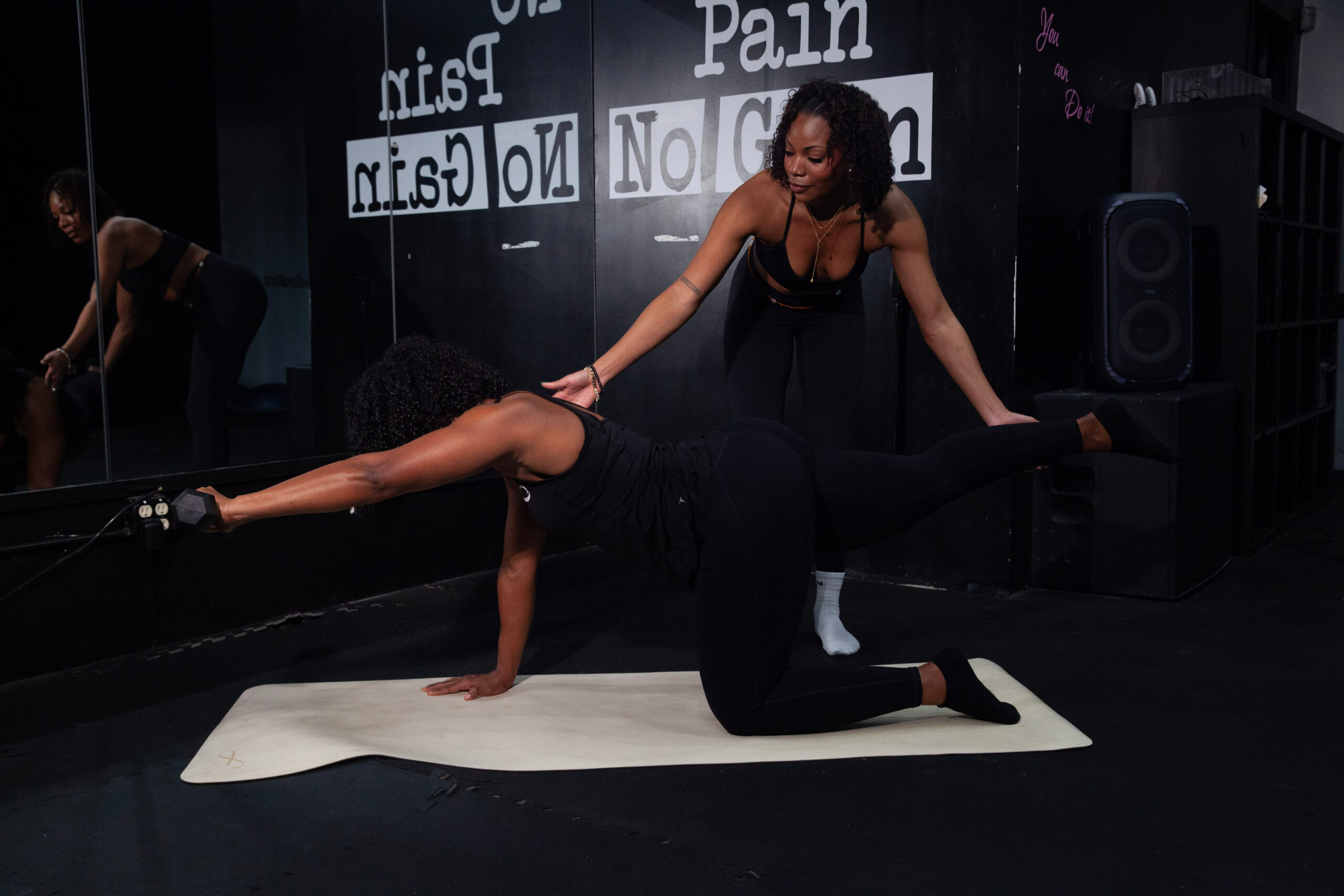
Dead bug exercises train the core to stabilize the spine while the arms and legs move independently.
This improves coordination and core control.
Hip Thrusts
Hip thrusts are another powerful glute-focused movement that helps build strength and power in the posterior chain.
How Often Should You Train Core and Glutes?
For optimal results, core and glutes exercises should be incorporated into your fitness routine several times per week.
Many fitness professionals recommend:
2 to 3 focused sessions per week
Including core activation in warm-ups
Adding glute-focused movements to lower-body workouts
Consistency is the key to developing strength and improving stability.
Even small amounts of regular training can lead to significant improvements over time.
Core and Glutes Training for Everyday Life
While core and glutes training is often associated with athletes or gym workouts, its benefits extend far beyond exercise.
Strengthening these muscles can improve everyday activities such as:
Carrying groceries
Climbing stairs
Standing for long periods
Playing with children
Performing household tasks
A strong foundation allows the body to move efficiently and reduces fatigue during daily activities.
The Importance of Proper Guidance
Performing exercises with proper form is essential for maximizing results and avoiding injury.
Working with experienced trainers can help ensure that movements are performed correctly and that workouts are tailored to individual fitness levels.
Group fitness classes that focus on core and glutes training provide structured workouts, professional guidance, and motivation from fellow participants.
This supportive environment makes it easier to stay consistent and progress over time.
Building a Stronger, More Stable Body
Core and glutes training is one of the most valuable investments you can make in your health and fitness.
By strengthening these foundational muscle groups, you can improve posture, enhance balance, reduce injury risk, and increase overall strength.
Whether your goal is athletic performance, injury prevention, or simply moving better in daily life, core and glutes workouts provide benefits that extend far beyond the gym.
A stronger core and powerful glutes create a stable base for every movement your body performs.
Take the Next Step in Your Fitness Journey
If you’re ready to strengthen your body from the inside out, incorporating dedicated core and glutes workouts into your routine is a great place to start.
Structured classes provide expert guidance, dynamic exercises, and the motivation of a supportive community.
At Fit Elevation, core and glutes workouts are designed to help participants develop strength, stability, and confidence in their movement.
Building a strong foundation today can lead to better performance, fewer injuries, and a healthier body for years to come.