The Big Three: Mastering Squat, Bench, and Deadlift for Maximum Muscle
Why Compound Movements Are the Foundation of Every Great Physique
Look at any elite powerlifter, bodybuilder, or strength athlete and you’ll find the same foundation underneath the aesthetics and the medals: the squat, the bench press, and the deadlift. These three movements are not popular because of tradition or stubbornness. They’re dominant because they work — and they work better than virtually anything else you can do in a gym.
Compound movements recruit multiple muscle groups simultaneously, allow you to use the most weight, and produce the most powerful hormonal response. When you squat heavy, you’re not just training your quads — you’re stimulating your hamstrings, glutes, adductors, spinal erectors, core, and upper back all at once. This systemic demand is exactly what drives full-body muscle development and anabolic hormone release.
This July, we’re dedicating a deep dive to each of the Big Three. Master these lifts and you’ll have a training foundation that will serve you for the rest of your life.
The Squat: King of Lower Body Mass
No exercise builds lower body mass like the barbell back squat. Full stop. If you want thick, powerful quads, deeply developed hamstrings, strong glutes, and a back that doesn’t quit, you squat. Heavy and consistently.
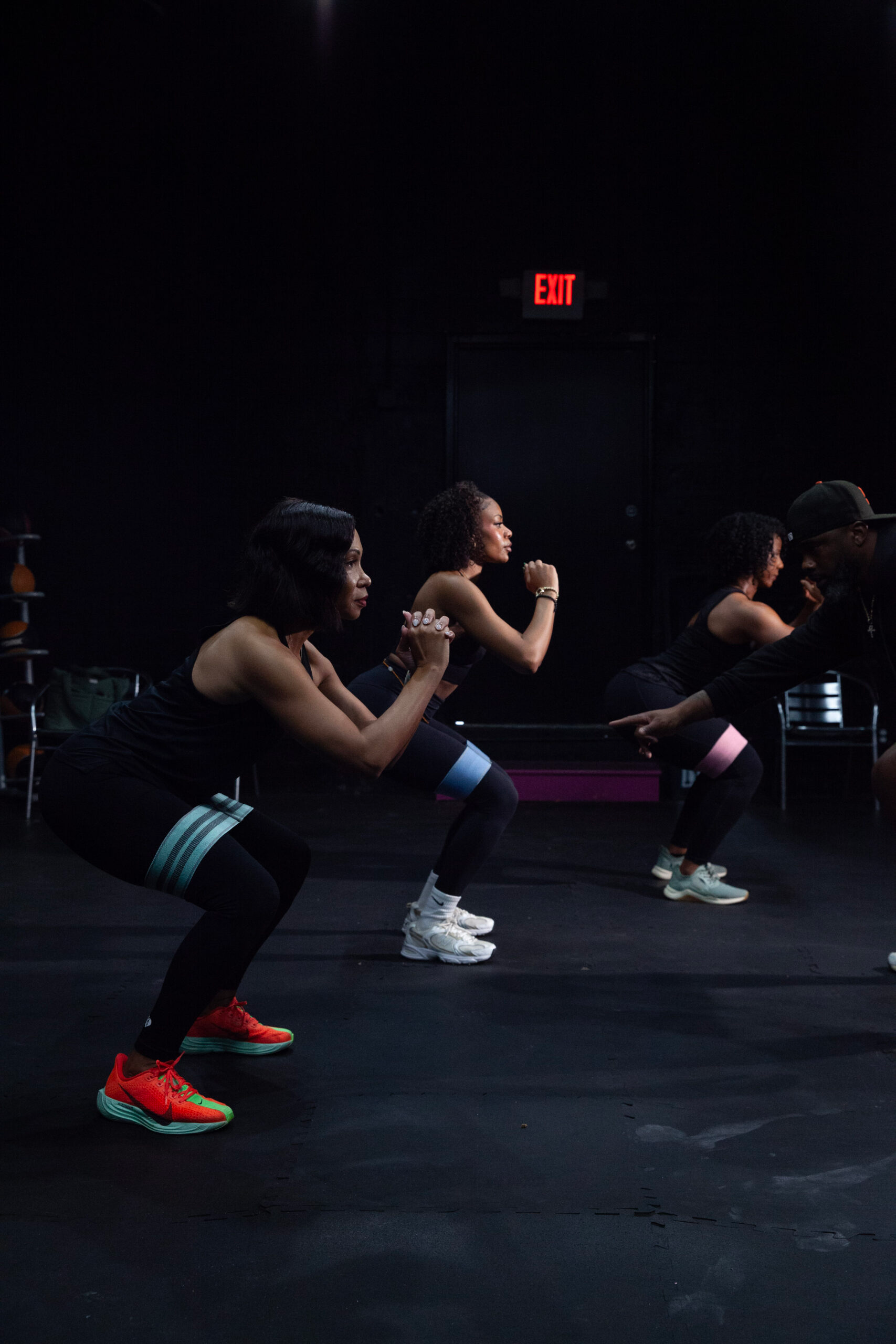
Setup: Position the bar across your upper traps (high bar) or rear deltoids (low bar), feet shoulder-width apart or slightly wider, toes turned out 15-30 degrees. Before unracking, take a big breath of air into your belly — not your chest — and brace your entire core as if you’re about to take a punch. This intra-abdominal pressure protects your spine and stabilizes the lift.
The descent: Hinge at the hips and knees simultaneously. Keep your chest up, your back flat, your knees tracking over your toes. Descend until your hip crease drops below your knee — parallel or below. A half-squat is a wasted set.
The ascent: Drive through your entire foot — not just your heels, not just your toes. Push the floor away from you. Keep your chest up and maintain your brace all the way through lockout. Stand tall at the top before initiating your next rep.
Common errors: Knees caving inward (cue: push your knees out), forward lean (cue: chest up, sit back more), butt wink at the bottom (work on hip and ankle mobility), and uncontrolled descent (always own the negative).
The Bench Press: The Ultimate Upper Body Builder
The bench press is the most contested exercise in the gym — everyone has an opinion on grip width, arch, bar path, and more. Cut through the noise with these fundamentals that hold true across all styles and body types.
Setup: Lie back so your eyes are directly under the bar. Your grip should be slightly wider than shoulder-width, thumbs fully wrapped around the bar. Plant your feet firmly on the floor. Retract and depress your shoulder blades into the bench — this creates a stable base and protects your shoulders.
The descent: Lower the bar with control to your lower chest, maintaining your shoulder blade position throughout. The bar should touch your chest or come within a centimeter of it. Don’t bounce the bar — control is strength.
The press: Drive the bar up and slightly back toward your face, following a natural arc. Press your feet into the floor and imagine trying to leg press the bench away from the bar. Full lockout at the top.
Common errors: Flared elbows (angle them 45-75 degrees from your torso, not 90), lifting your butt off the bench (if this happens, your arch is too severe), and uneven bar path (usually caused by one shoulder being less stable than the other — address the asymmetry directly).
The Deadlift: Total Body Strength in One Movement
The conventional deadlift is arguably the most complete strength movement that exists. It works your entire posterior chain — glutes, hamstrings, spinal erectors — as well as your traps, lats, forearms, and core. There is no more efficient muscle-building movement.
Setup: Stand with the bar directly over your midfoot (roughly 1 inch from your shins), feet hip-width apart. Hinge at the hips, grip the bar just outside your legs, and drop your hips until your shins are nearly vertical. Take your air, brace your core, and engage your lats by imagining you’re trying to bend the bar around your body or protect your armpits.
The pull: Before the bar breaks the floor, create tension in the system — feel the weight, remove all slack from the bar. Then press the floor away from you with your legs. Keep the bar in contact with your body throughout the entire pull. Your hips and shoulders should rise at the same rate.
The lockout: At the top, squeeze your glutes and stand completely tall. Don’t hyperextend your lower back. Lower the bar under control — the negative is not an afterthought.
Common errors: Jerking the bar from the floor (create tension first), bar drifting away from your body (devastating for your lower back — keep it close), and rounding the upper back excessively (some is acceptable for advanced lifters, but beginners should chase a neutral spine). Program these lifts as your anchor movements this July and watch your entire physique transform.